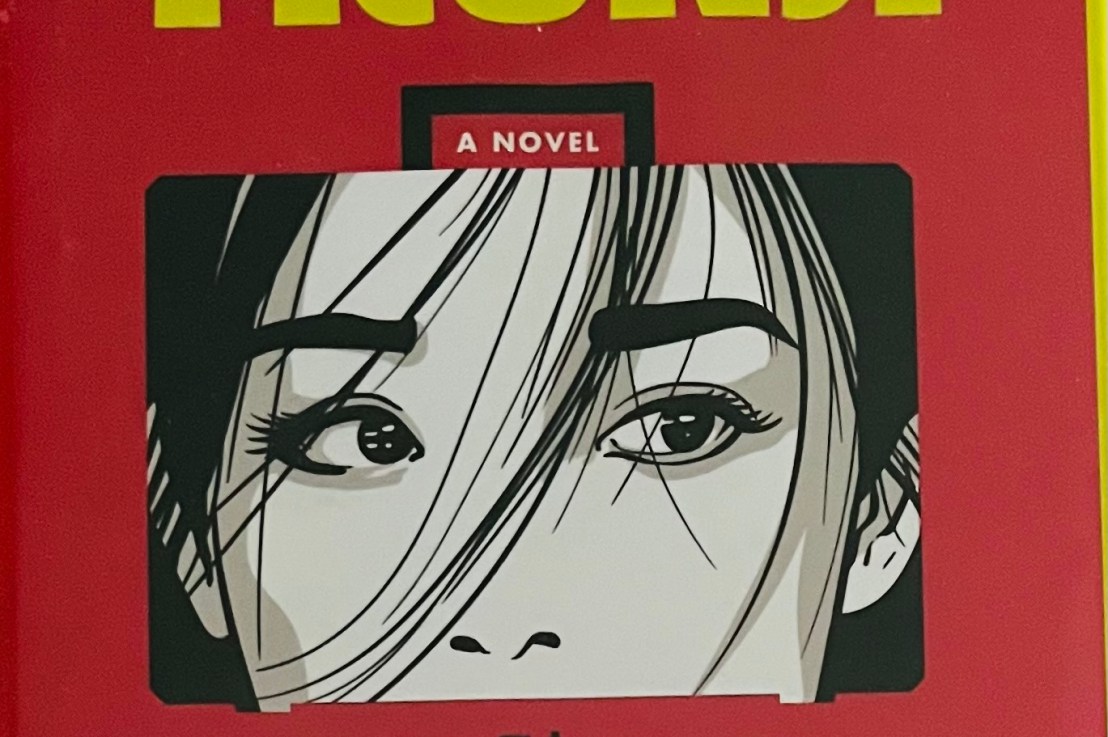
Noh carts her trunk from one job to the next. Her latest is a repeat assignment with the same “husband” she spent a year with. Her parents know she works for W & L, but like her best friend, they have no idea exactly what she does. Her best friend sets her up on a blind date with Tae-seong, but Noh takes an instant dislike to him, and he begins to stalk her. How will she navigate her present assignment and deal with Tae-seong?
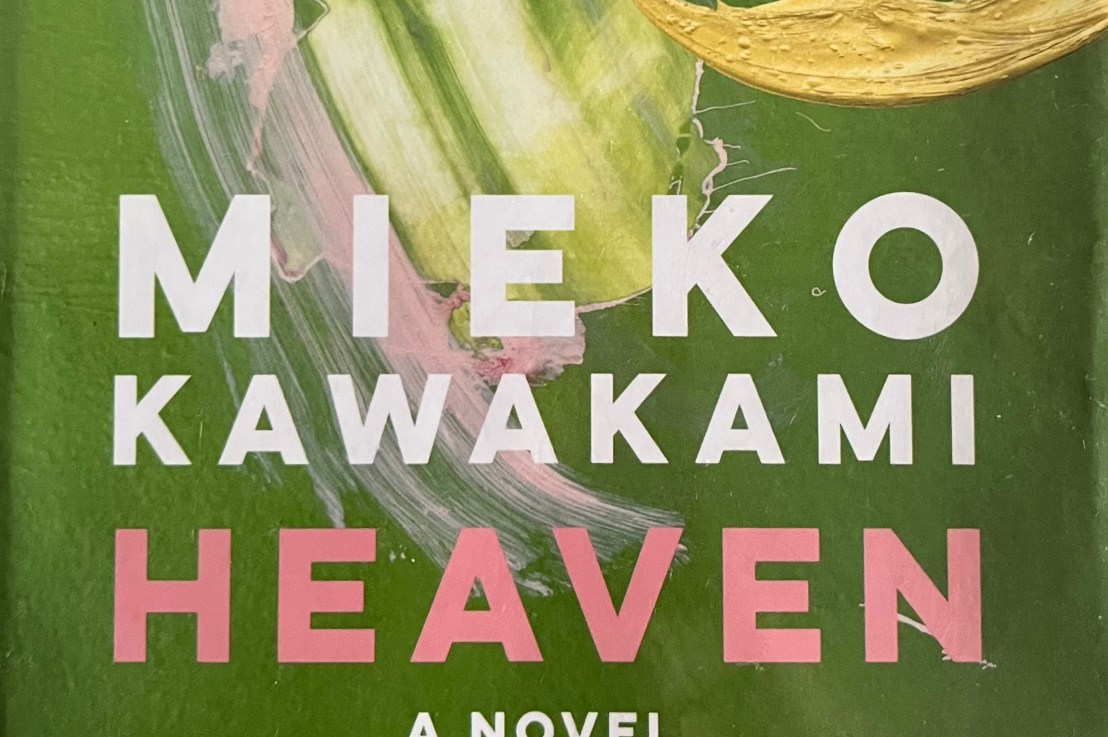
While Kojima observes another student in her middle school class being bullied, he observes the other girls bullying Kojima. Soon he finds a note in his desk asking to meet. Who is sending this unsigned note? Is it the boys in his class making fun of him again? He’s not sure what to do, but either way, if it’s the boys who bully him, they’ll punish him no matter what decision he makes.
This is a compelling read told through the voice of the boy the students call Eyes.
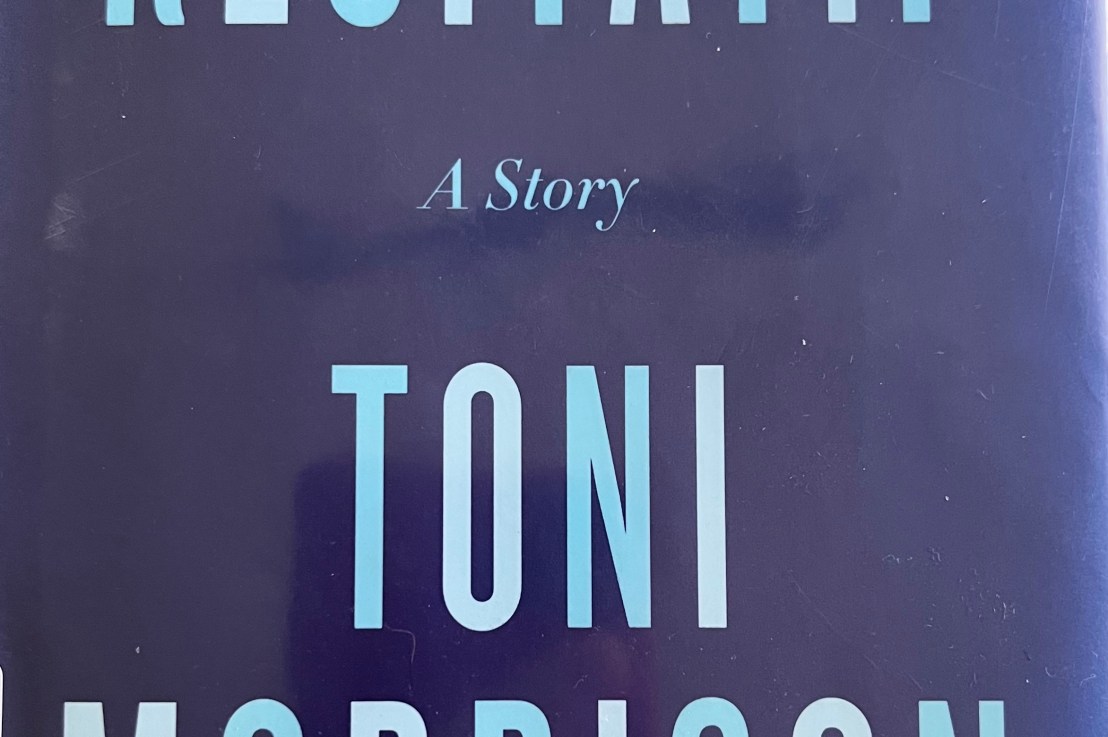
Eight-year-old Twyla and Roberta are thrown together as roommates in a shelter. Years later, they meet in a diner and again during a protest. But which female is black and which one is the white character. This is the crux of this clever story that has the reader questioning their own racism. It’s only a short story, but well worth reading. My advice—read the story first, then the introduction.
In an Afghan village, Zeba is discovered beside her dead husband in the courtyard of their home. She is immediately blamed for the murder and imprisoned in Kabul’s Chil Mahtab women’s prison. When her lawyer arrives, she refuses to reveal the events that led to her husband’s brutal murder. With little hope of Zeba not being found guilty, her lawyer, Yusuf visits her village to try to uncover the truth. Because he’s lived in New York since the age of five, the villagers don’t trust him, and he is at a loss to know how to defend a woman he believes is innocent.


 Read and Write
You must be logged in to post a comment.