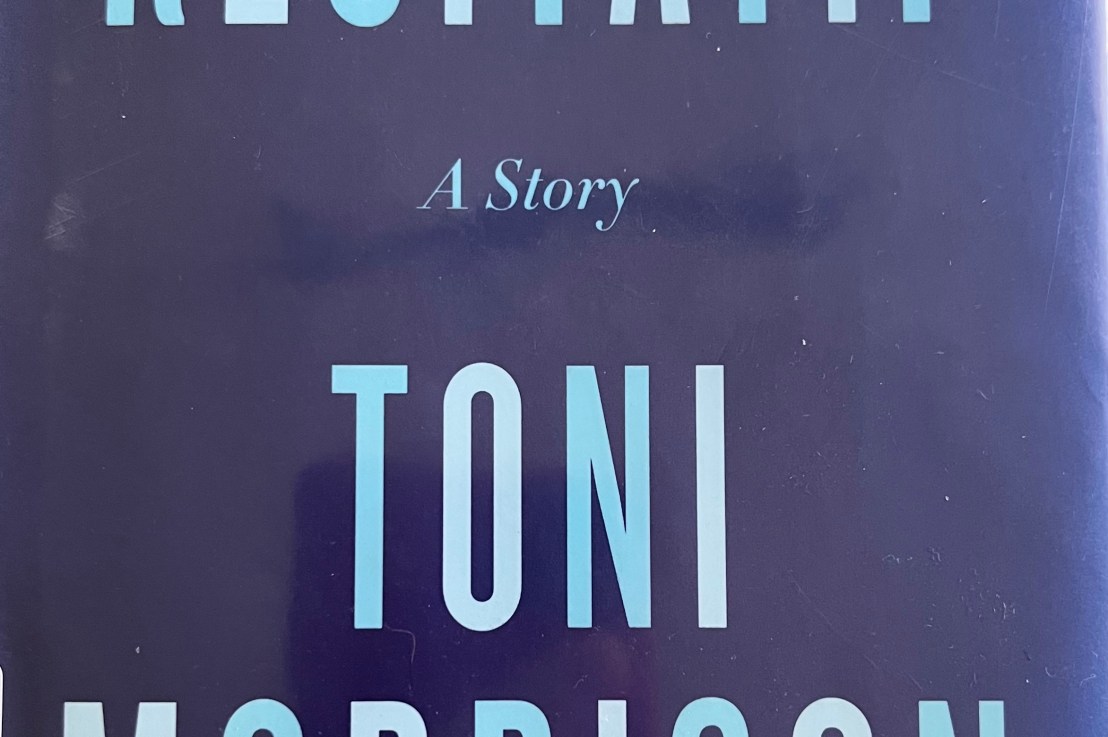
Eight-year-old Twyla and Roberta are thrown together as roommates in a shelter. Years later, they meet in a diner and again during a protest. But which female is black and which one is the white character. This is the crux of this clever story that has the reader questioning their own racism. It’s only a short story, but well worth reading. My advice—read the story first, then the introduction.
Tag: racism
Wiz Wharton’s—Ghost Girl, Banana *****
Lily’s older confident sister, Maya shrugs off the past whenever Lily tries to remember their childhood in Hong Kong before they were sent back to their father in London once their mother, Sook-Yin’s died. Lily learns that she is has been bequeathed a large amount of money on the condition she comes to Hong Kong to claim it. She has no idea who Hei-Fong Lee is nor why he would leave her so much money. When she learns her sister has received the same letter, she confronts Maya, but her sister says to ignore the offer.
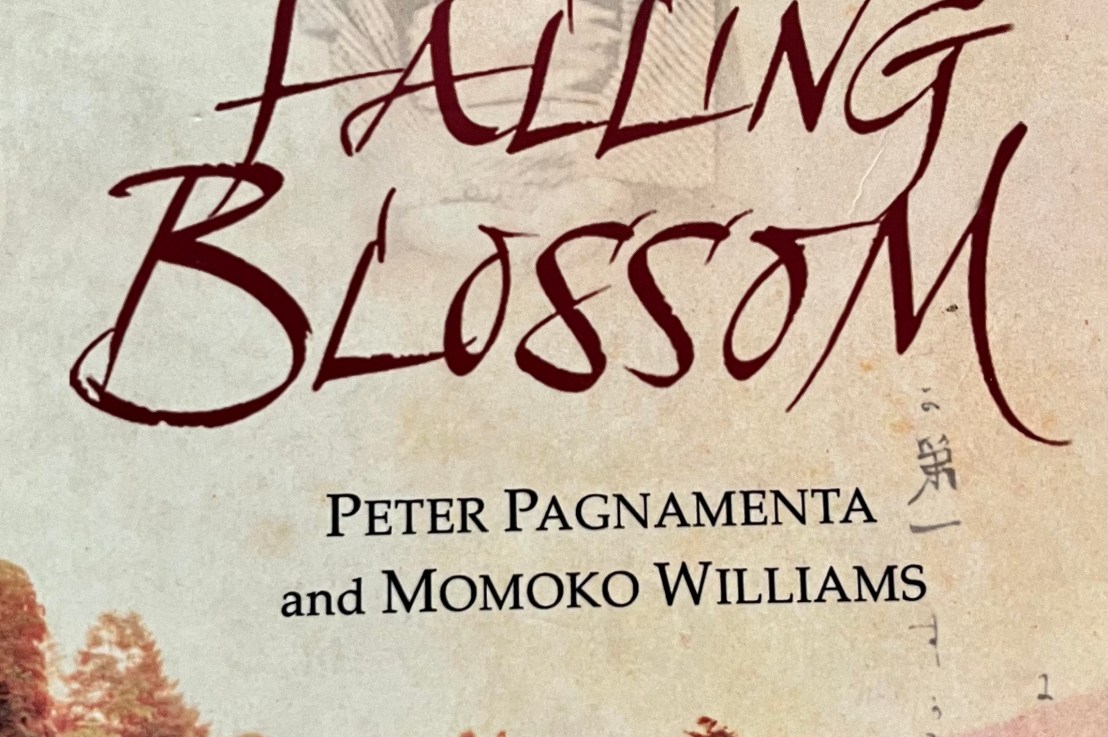
Continue reading “Wiz Wharton’s—Ghost Girl, Banana *****”Peter Pagnamenta and Momoko Williams’—Falling Blossom *****
With Japan’s success at invading China and Korea, and Britain afraid a rising superpower might take over their jewel, India, the British government makes a pact with Japan. In the early 1900s a group of British soldiers are then sent to Japan to learn Japanese and war tactics. In Tokyo, Arthur meets Masa, a Japanese woman who has been rejected by her husband and sent back to her family. The pair fall in love and even though Arthur is transferred to other destinations, their connection doesn’t end until forty years later with the outbreak of the second world war.
This memoir is based on research and the hundreds of letters from Arthur discovered in Masa’s trunk after her death. These letters reveal an in-depth insight into their lives and the dramatic changes that took place in both countries—a book I couldn’t put down.
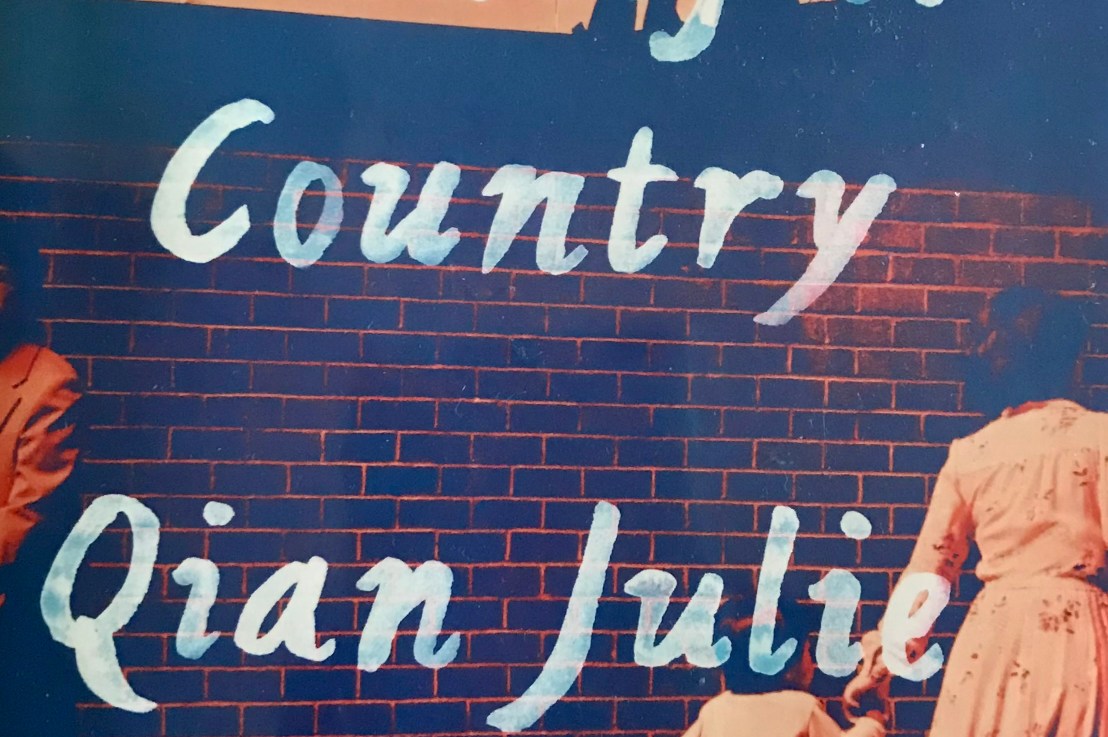
Qian Julie Wang’s—Beautiful country*****
Under the repressive Mao regime, the Wangs decide to leave China. Qian’s parents are highly educated, but as illegal immigrants in the U.S., they can only take on menial work. Without papers they are trapped in a cycle of poverty, discrimination, and a fear of being deported. This takes a toll on her parents’ relationship with each other. Meanwhile, Qian starts school, but receives little support to help her learn English. Through children’s books, she begins to understand and teaches herself how to read. But can the family keep living a life where they fear they may be sent back to China?
This memoir is an insight into the lives of illegal immigrants and the endless hardships that seem impossible to overcome.


You must be logged in to post a comment.