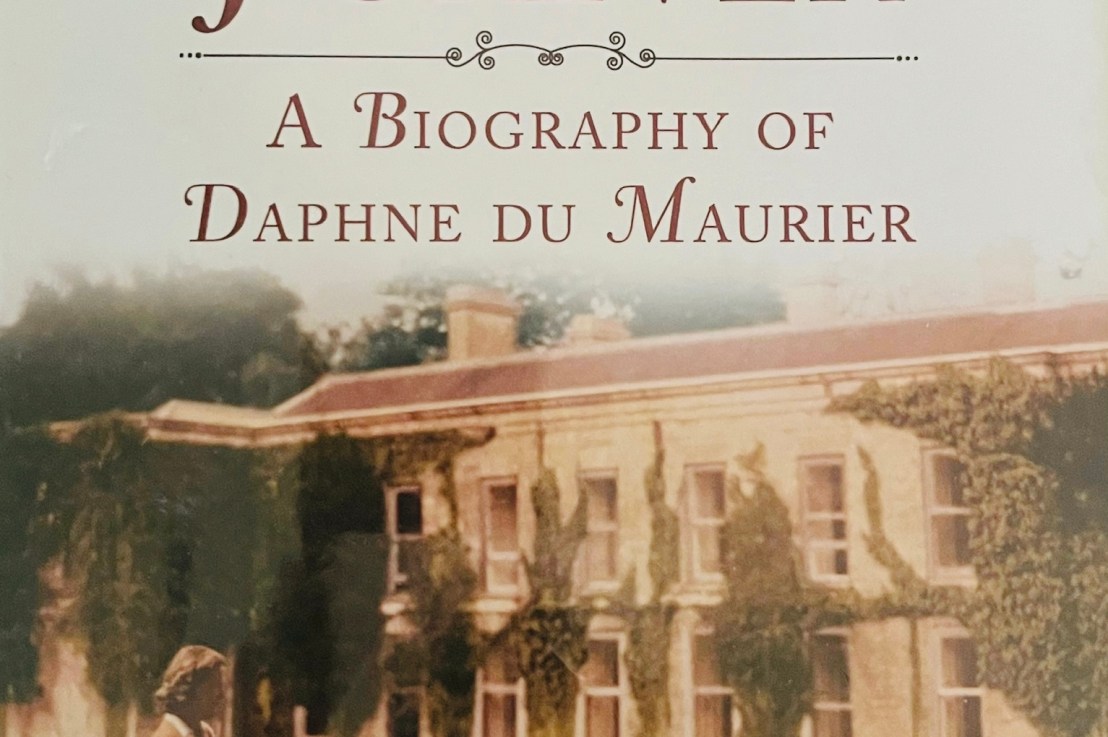
For those who have read any of Daphne du Maurier’s books, this is a fascinating insight starting from her childhood when she was spellbound by her father’s acting until, in her teenage years, he became overbearing. To escape, she spent time at a French boarding school captivated by one of her teachers. Her writing was not only influenced by her eagerness to read, but her desire to become independent. When her father purchased a holiday home in Cornwall, her love of the English coastline developed and writing ideas poured out from her imagination.
When Elizabeth Blackwell was eleven, she and her family left their home town, Bristol and sailed to New York. Their father’s finances centred around sugar refining, but when he died, Elizabeth found work until her two oldest brothers reached an age when they could support the family. Gradually, Elizabeth was determined to become a doctor, but in the 1800s, men did not wish to release their monopoly on the profession and Elizabeth found it difficult to find a university that would accept her.
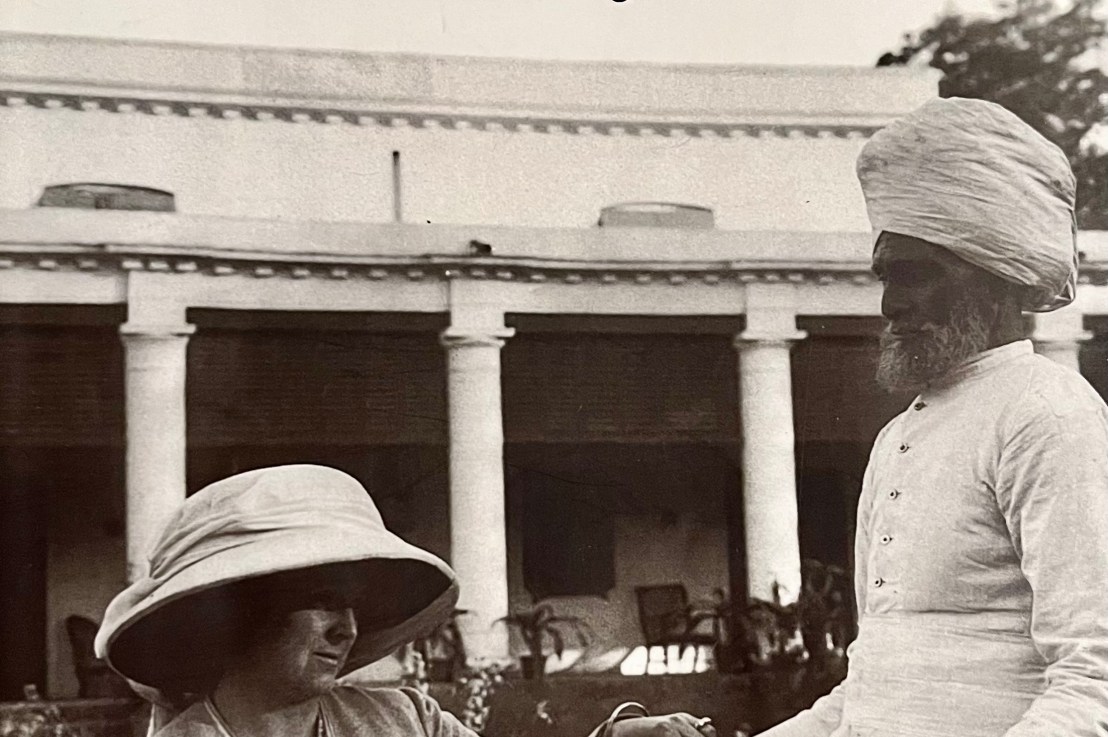
This was a well written close look at women who braved the journey by ship to stay in India during British rule. From the beginning right through until India’s independence, we follow women who came to join their husbands or in the hope of getting married. We learn about their journey by sea, their first impressions and their social life. For anyone interested in India during the British Raj, this is an informative read.
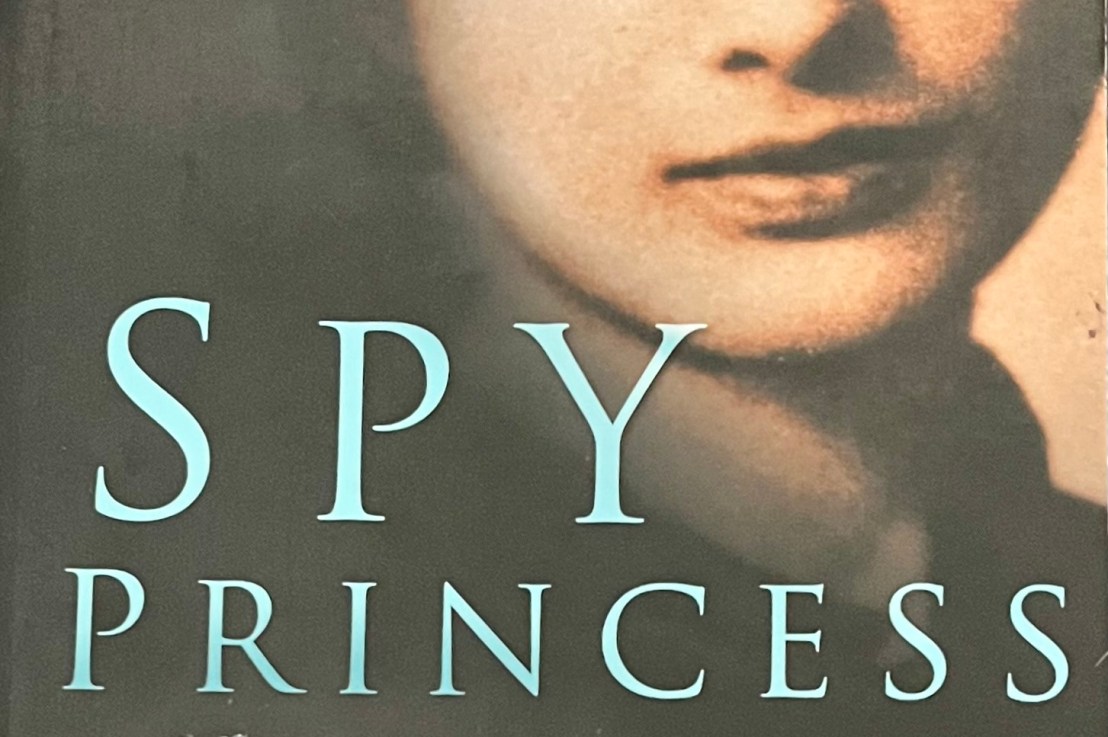
This is the biography of Noor Inayat Khan who was born in Russia but by the age of six went to London, then moved to France with her parents and siblings. She is brought up within the Sufi faith, but when WW11 breaks out, the family flee to London. Noor is determined to assist in the war effort. She joins the WAAF until she is recruited by the SOE and sent to Paris to keep London informed and receive important information regarding such events as new spies being flown into France from England.
Her biography not only reveals her dedication and the extensive work she conducted in Paris with the Resistance Movement and her ability to avoid the GESTAPO, but also details the extensive training that all agents were subjected to before they were sent into enemy territory.


 Read and Write
You must be logged in to post a comment.