Rebecca Struthers’—Hands of time *****

Rebecca Struthers’—Hands of time *****

I wasn’t expecting to finish Hands of time, just read a chapter, because a book on the history of clocks and watches didn’t seem that interesting. But one chapter led to another, and I became hooked on this interesting history of not just the well-known brands we know today, but the people who invented and refined timekeepers of the past and how their inventions influenced other industries.

Continue reading “Rebecca Struthers’—Hands of time *****”
Susanna Clarke’s—Piranesi *****

Susanna Clarke’s—Piranesi *****

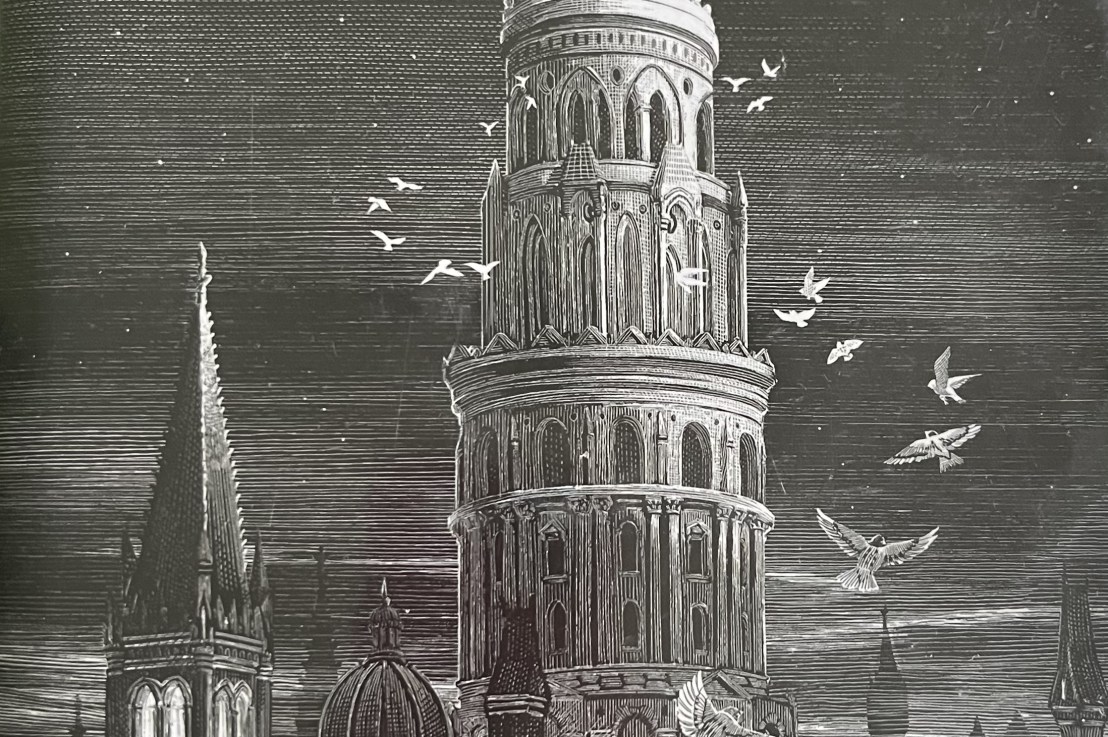
What made this tale a five out of five read for me was that I had never read anything like it. Piranesi lives in a world where there is only one other human being—the Other. Within his house/world are huge statues in infinite rooms that he explores. The lower rooms are subject to tides that sometimes crash through the corridors. Piranesi is in awe of the Other whom he meets every week for an hour, but when he learns that there is someone else searching for him, the Other warns him of the danger. But will he be in danger? And why are there only two people in this strange world? 

Wiz Wharton’s—Ghost Girl, Banana *****

Wiz Wharton’s—Ghost Girl, Banana *****

Lily’s older confident sister, Maya shrugs off the past whenever Lily tries to remember their childhood in Hong Kong before they were sent back to their father in London once their mother, Sook-Yin’s died. Lily learns that she is has been bequeathed a large amount of money on the condition she comes to Hong Kong to claim it. She has no idea who Hei-Fong Lee is nor why he would leave her so much money. When she learns her sister has received the same letter, she confronts Maya, but her sister says to ignore the offer.

Continue reading “Wiz Wharton’s—Ghost Girl, Banana *****”
Bruce Pasco’s—Dark emu *****

Bruce Pasco’s—Dark emu *****

European misrepresentation that Australia’s first peoples were nomadic hunter gatherers has persisted since the continent was first invaded and still persists to a large extent today to justify invasion. However, Pasco examines not only the diaries of many early European explorers who ventured inland, but also archeological sites that confirm that Australian Aborigines not only had permanent settlements often built of stone, but constructed weirs for trapping fish, cultivated grasslands to harvest seeds for flour and tubers, utilized bush burning to replenish these native foods, dug numerous wells and had a democratic system that meant the country before European invasion had never experienced wars.

Continue reading “Bruce Pasco’s—Dark emu *****”