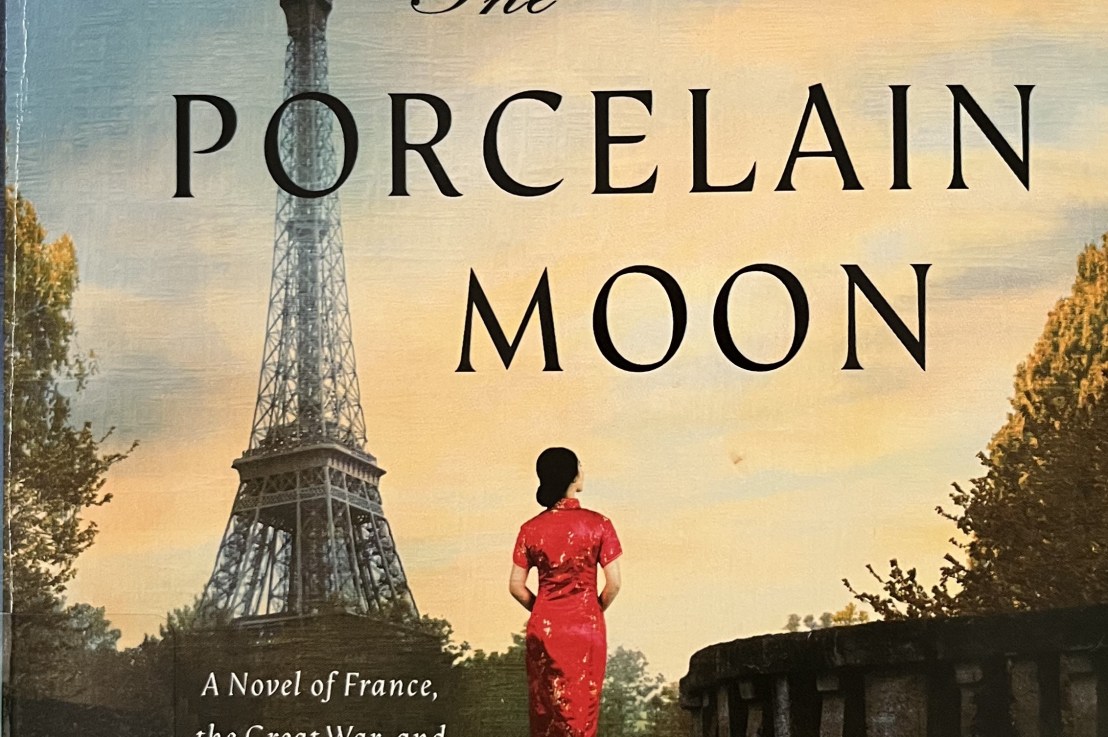
Uncle Louis is sent with Theo and Pauline from Shanghai by the Deng family to start an antique business in Paris. He plans to arrange his son, Theo’s marriage and set him up in the business so he can return to China. But Theo manages to delay the arranged marriage first by further education, then finally by working as an interpreter for the British during WW1. When Pauline learns her uncle’s first wife is arranging her marriage, she is desperate to find her cousin to help her convince her uncle not to send her back to China. She rushes to Noyelles where Theo has been working with Chinese labourers but is distressed and fearful by what she discovers.
Every Janie Chang book I’ve read has been a five out of five. This one delves into a neglected part of World War1’s history that I had never read about which is seen through the eyes of its main characters—Theo and Pauline Deng and their friend Henri Liu, a Chinese journalist.
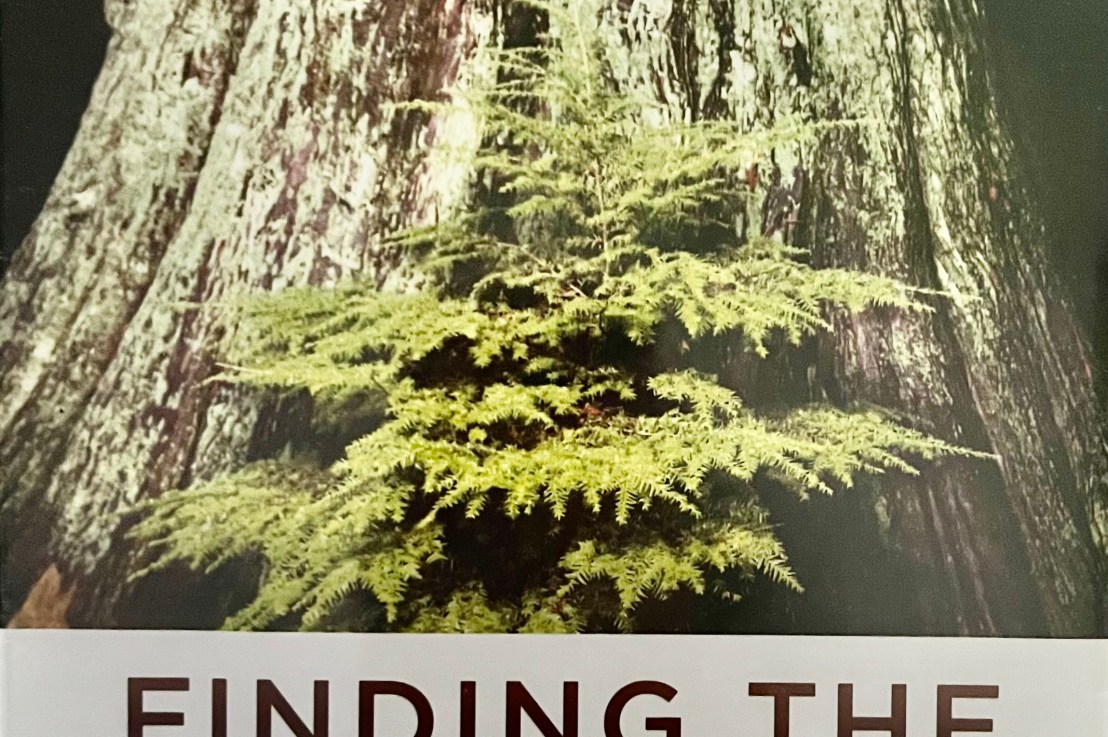
Suzanne’s journey begins the day her father and uncle dig a hole over a metre deep into the ground and she becomes fascinated by the layers in the soil. Growing up in the interior of British Columbia amongst forests, Simard went into forestry, but soon became disenchanted with the practice of cutting down every tree, spraying chemicals over destroyed sites, and replanting one variety of tree. She joined the B.C. forestry sector where she conducted experiments that revealed that government policies were not only destroying the environment, but their practices did not produce greater yields. Simard’s long struggle against entrenched archaic views and misogynistic mentality eventually lead to major findings with change beginning to take place, but at what personal cost?
When Angela discovers an undelivered letter hidden in one of the antiques in the Toronto shop where she works, she is determined to find Nancy—the person who should have received this confession ten years earlier. Nancy was adopted, but from the letter it appears she never knew.
While the characters are fictional, events in the novel relating to the Canadian Government’s earlier policies on abortion and the church’s institutional treatment of unmarried mothers is based on historical fact. Despite a little unnecessary detail throughout the book, this is still a compelling and eye-opening read that I couldn’t put down.
Moranna lives in a Cape Bretton farmhouse in a small village. She is often alone when her partner, Bun is away working on the ferries between islands. Although she is considered mad by the locals, she decides to attend her estranged daughter’s impending wedding in Halifax when she learns the news. But will she be welcomed?



 Read and Write
You must be logged in to post a comment.