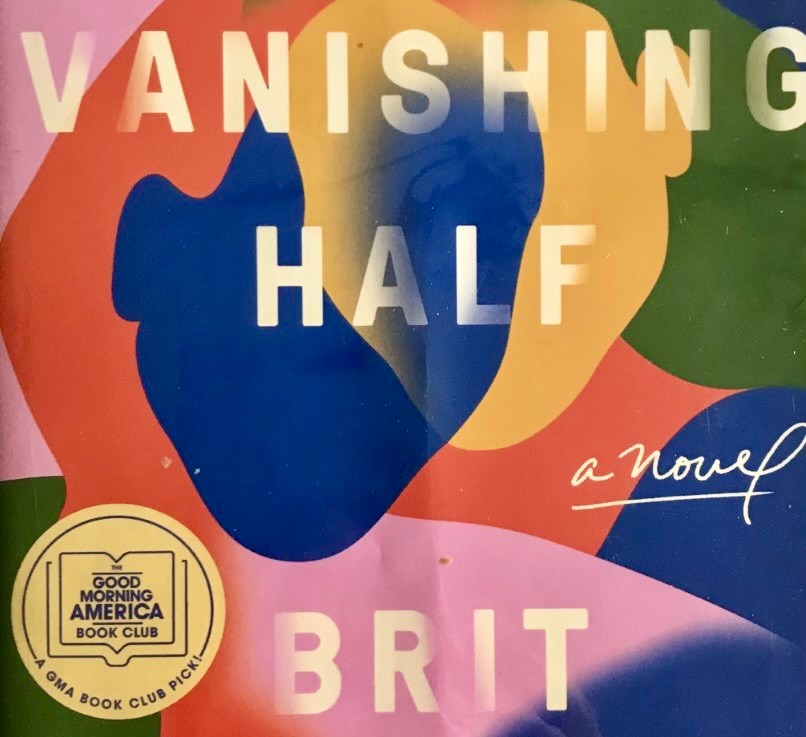
Carroll’s well written memoir begins when she is a child given up for adoption by her white mother to a white family in New Hampshire where she is the only black child. Her childhood is carefree until she not only grows aware of the underlining prejudice of both teenage boys and their parents but reconnects with her controlling birth mother. Carroll’s journey is one of discovering her identity through perseverance and overcoming racist obstacles in her path.
Sharon Bala’s — The boat people *****
Mahindan’s life in Sri Lanka where he was a mechanic was at the mercy of both the Lankan government and the Tigers before he escapes by boat to Canada. Grace, a hard line adjudicator has a tough stance on those who don’t arrive through the proper channels. And Priya, a lawyer is dragged into working with the refugees when she wants to specialize in corporate law. What will happen to the refugees who are turned back? How will the Canadian officials’ characters change after working with the Tamil boat people for months?
This 2018 Canada Reads contented book is the best book on the crisis in Lanka (that still continues today for anyone not Buddhist) and what Tamils endure to stay alive.
Krys Lee’s — How I became a North Korean *****
This is the haunting story of Danny (Daehan), Yongju and Jangmi. Desperate to avoid his U.S. school where he is an outcast because he is Chinese, Danny leaves his father and flies to China to stay with his mother. But when he discovers her living with another man, he wanders aimlessly close to the border with North Korea.
Yongju and Jangmi have both escaped separately from North Korea to China, and meet up with Danny and a band of other North Koreans hiding in a cave. They are rescued by a Christian pastor who holds them captive. He indoctrinates them into the Christian faith, promising he’ll help them leave China for a safe third country. But will he?
This novel is a powerful insight into life in North Korea and the dangers that lurk across the boarder into China from those who profit from runaway North Koreans.
Those favoured words
Have you ever read a book where a word keeps popping up? I recently read a book that had a paragraph where three sentences began with and then. Another highly praised English author I read had me gritting my teeth at her use of began. It appeared over one hundred times in her otherwise great novel.
This kind of repetition can pull a reader out of a story, so I save lists of — words to use instead of — because it’s easy in a manuscript to repeat favoured vocabulary. I also have a short list of words I over use — that, looked, walked, relieved, for example. The list raises my awareness when I’m at the editing stage.
But opposing this suggestion is a tip I learned from author, Julie H. Ferguson about repeated words.
Continue reading “Those favoured words”

You must be logged in to post a comment.