Tag: historical fiction

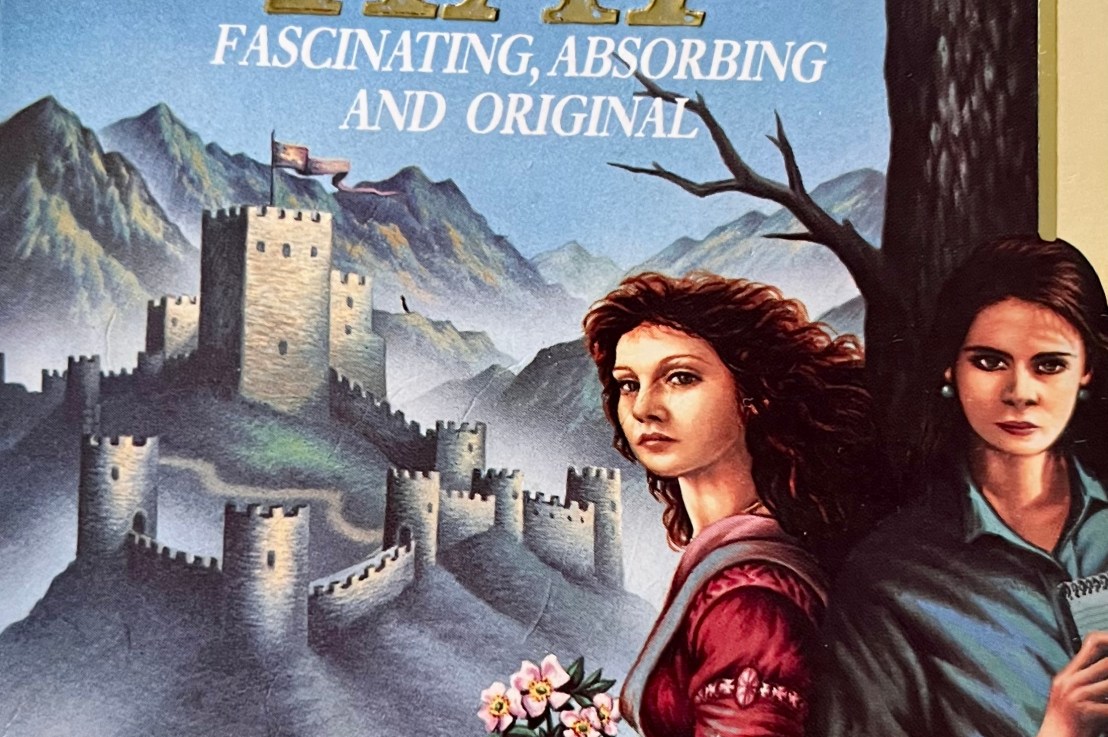
Barbara Erskine’s—Lady of Hay

Barbara Erskine’s—Lady of Hay

Jo’s editor approves a series of articles that Jo intends to research and write for Women in Action. One is about hypnosis and regression that she is sure she’ll disprove. Jo interviews Dr Bennet, a well-known hypnotist and agrees to be hypnotised. Instead of believing she can’t go under, Jo finds herself as Matilda, a woman who lived in Wales 800 year ago. She becomes obsessed with Matilda’s life and finds these regressions begin to take over her life.

What is it that connects her so deeply to Matilda’s life and her association with King John? And how are some of the men she knows in the present bound to this long-ago era?
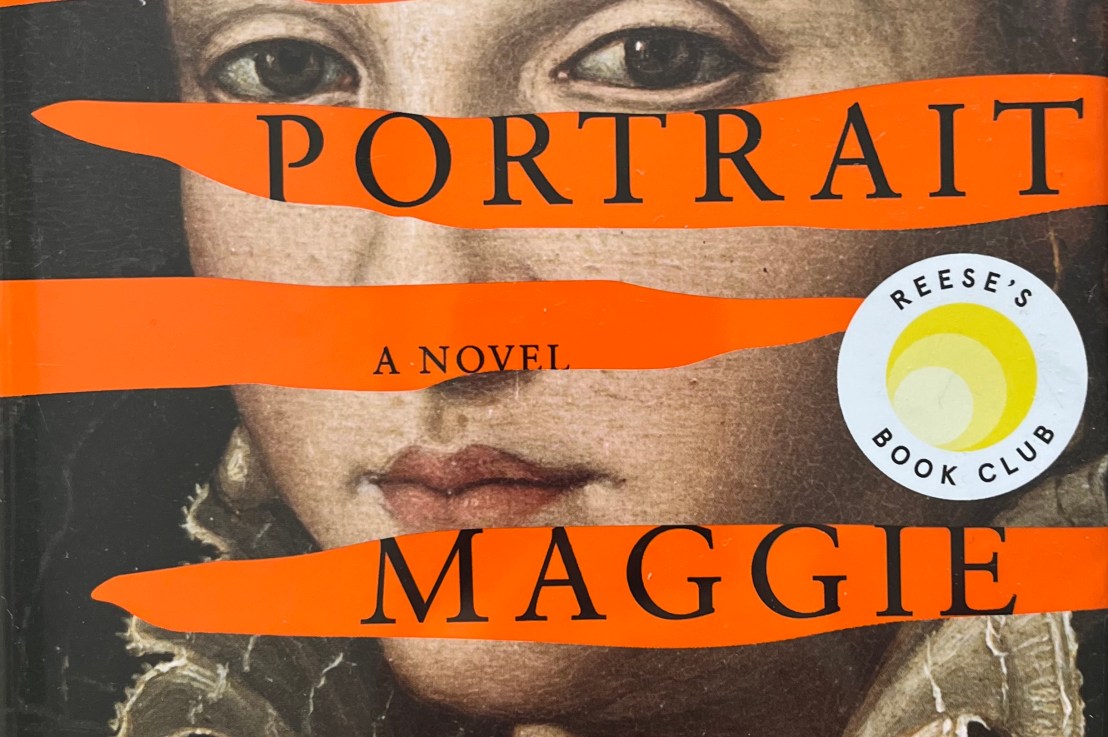
Maggie O’Farrell’s—The marriage portrait *****

Maggie O’Farrell’s—The marriage portrait *****

In mid-1500 Florence, Lucrezia is the least favoured child of the grand duke and duchess. Her older sisters either tease her or ignore her, her brothers are indifferent. Her sister, Maria is about to marry Alfonso, grand duke of Ferrara, but an illness intervenes, causing her death. Alfonzo’s roving eye remembers tiny Lucrezia and negotiates their marriage. Lucrezia is far too young, but her father sees this as a wise political move and she is married to the duke by age fifteen. Is she old enough and wise enough to survive the turmoil within his court? And what of the rumours that the duke has never conceived a child in all is amorous endeavours? Will her life be in danger if she can’t become pregnant?

This well-written novel is loosely based on historical characters and facts. I was spellbound from page one where Lucrezia is aware that she is probably going to be murdered. I rate this as the top book I’ve read so far this year.

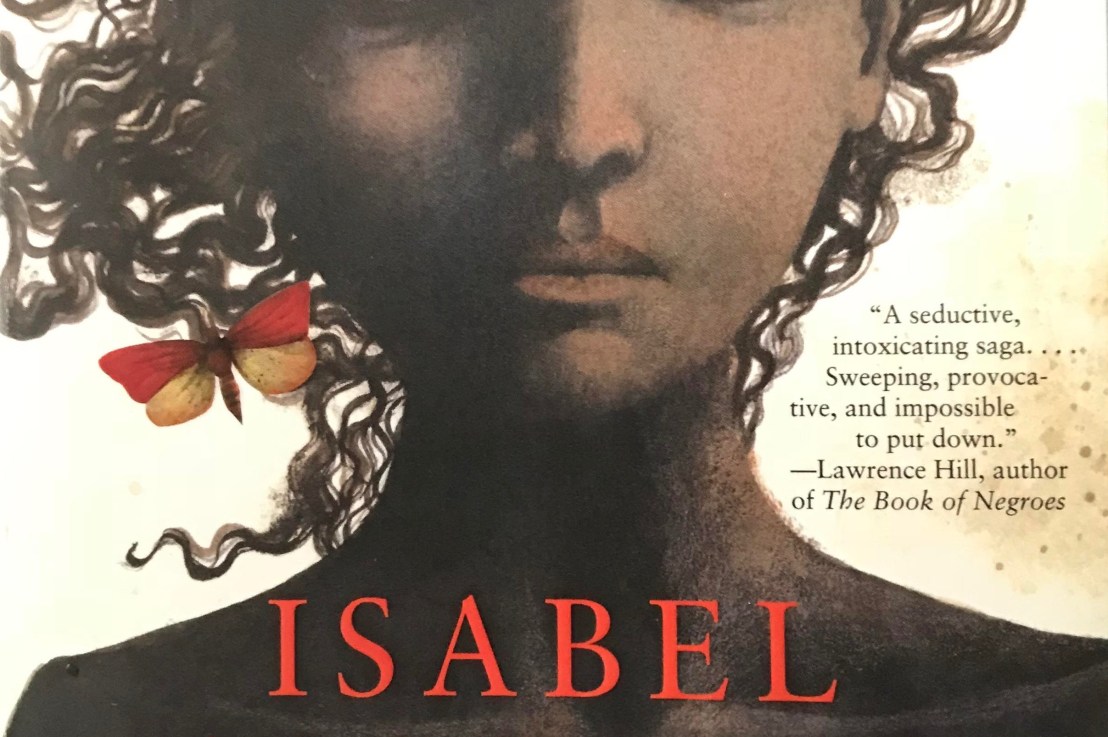
Isabel Allende’s —Island Beneath the Sea *****

Isabel Allende’s —Island Beneath the Sea *****

On Valmorain’s arrival from France, he finds he is responsible for the sugar cane plantation on the island of Saint-Domingue at his father’s death.He purchases nine-year-old Tété who soon learns to manage his house. In her teenage years, he rapes her and uses her as his concubine. When he removes their first-born child, Tété’s life couldn’t be worse. With a slave rebellion in site, Tété’s moves Valmorain’s son from his first wife to New Orleans.

This historical fiction set in Haiti during the slave trading era held a mixture of points of view: from plantation owners to the slaves who practised voodoo and tried to maintain their African roots.

Geraldine Brooks’—Horse *****

Geraldine Brooks’—Horse *****

When Theo, a Nigerian art historian, removes a painting of a horse from a discarded pile of junk a neighbour has dumped in her front yard, he is unaware of its connection to a Kentucky slave from the 1800s. He takes the painting covered in soot to a restorer where he meets a Smithsonian scientist, Jess who has been studying the bones of the horse she believes is the same one in the painting. Jarret is a slave in the 1850s with a knack with horses. He forms a close bond with a foal after its birth and grooms the horse to race on the insistence of his master, Dr. Warfield. 

What happens to Theo and the painting he has restored? And why did the bones of a horse from more than a hundred years ago end up in storage in a neglected section of Washington’s Smithsonian Museum?

What makes this book an even better read is the author’s meticulous research into many of her real characters and the events that actually happened back in the 1800s.