Under the repressive Mao regime, the Wangs decide to leave China. Qian’s parents are highly educated, but as illegal immigrants in the U.S., they can only take on menial work. Without papers they are trapped in a cycle of poverty, discrimination, and a fear of being deported. This takes a toll on her parents’ relationship with each other. Meanwhile, Qian starts school, but receives little support to help her learn English. Through children’s books, she begins to understand and teaches herself how to read. But can the family keep living a life where they fear they may be sent back to China?
This memoir is an insight into the lives of illegal immigrants and the endless hardships that seem impossible to overcome.
Hyeonnseo’s page turning memoir begins when she was a child growing up in a loving family in Hyesan, North Korea near the border with China. Her life was simple until she was school-age and her political indoctrination began, where speaking even a word against Kim il-sung and his son, Kim John-il had diabolical consequences. As she grew older, more political involvement was expected of her until the great famine occurred partly from the Soviet Union’s collapse. Teaches praised the Great Leaders for eating less during this time, but Hyeonnseo noticed no change in their robust bodies.
A few years after the end of WW11, Noriko stands at the entrance to her grandmother’s mansion in Kyoto. Her mother has driven away, and she has no choice but to enter the property with her few belongings. Her grandmother hides her in the attic where she is ordered to stay and not venture into any other part of the house. No one should see her because she is an illegitimate child to an American father ruining the family’s prestigious name. When she is ten, her half-brother, Akiri arrives after his father’s death and her lonely life begins to improve, but will their stern grandmother allow Noriko to escape her seclusion?
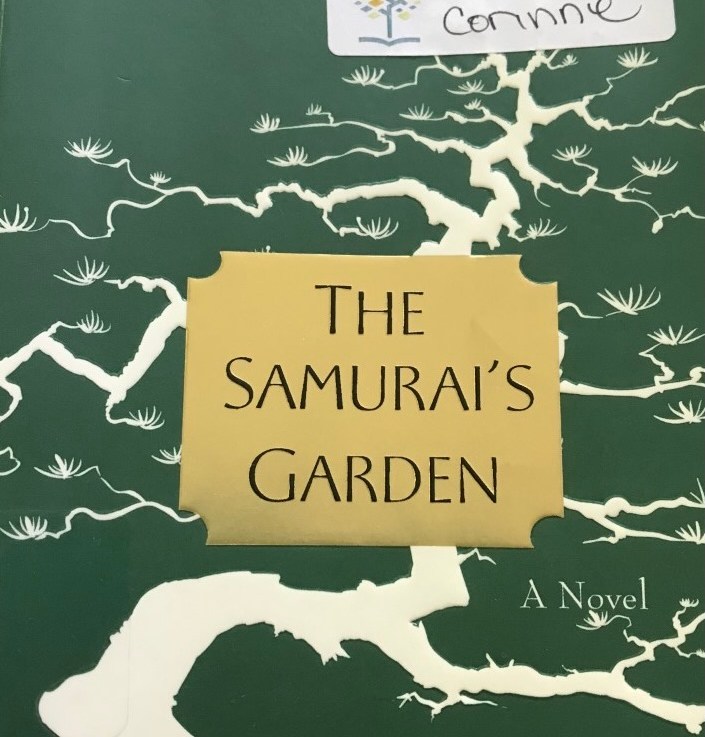
In early 1938 Stephan is ill and leaves Hong Kong for Tarumi where he stays in his parents’ seaside Japanese house to recuperate. At first, he feels isolated in the village and finds Matsu who tends to his needs, too reserved, but as his health improves so does his relationship with Matsu. While he swims in the sea or paints, Stephan-san grows concerned as Japan invades China and its armies rampage south. But he forgets these worries when Matsu introduces him to his friend, Sachi who lives in Yamaguchi, a mountainside village for lepers. As the year draws to a close, is it safe for Chinese to remain in Japan? Will he be able to part from the close relationships he’s formed with Matsu and Sachi?




 Read and Write
You must be logged in to post a comment.