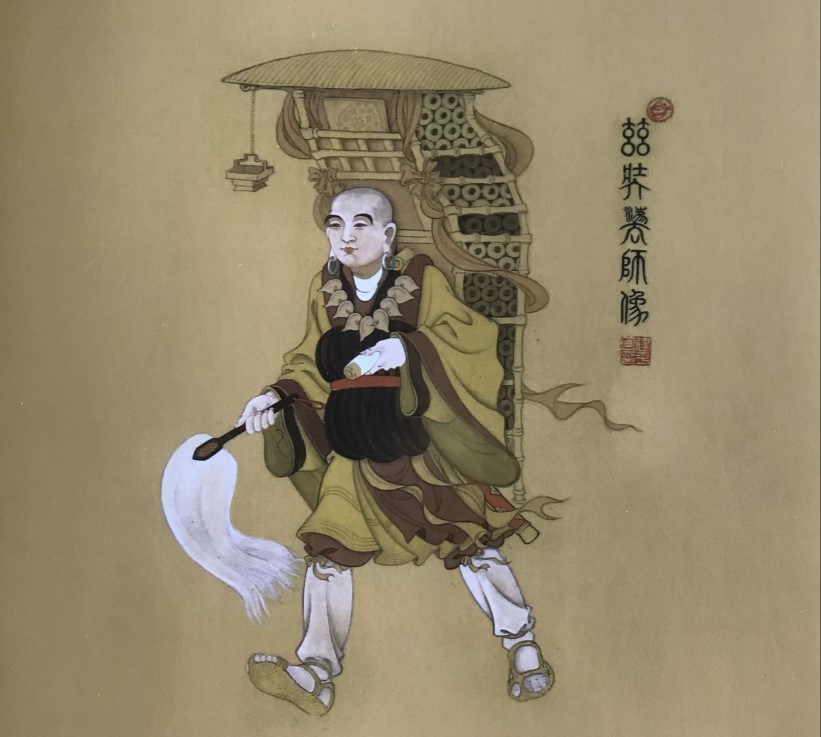
Back in my school days, we were only ever taught about European explorers as if no other nation travelled the world. So this book was a refreshing change. Xuanzang was a Buddhist monk from Chang’an who left China in the seventh century and travelled over 20,000 kilometres to what is now known as Kyrgyzstan and Uzbekistan, then south-east through Afghanistan and Pakistan to India. He saw flaws in the translations of Buddhist texts in China and was determined to reach the heart of Buddhism in Northern India to discover the truth behind these discrepancies. His journey along with his stops where he studied with renowned Buddhist monks kept him away from China for sixteen years. Because he documented his travels in detail, this is a fascinating read.
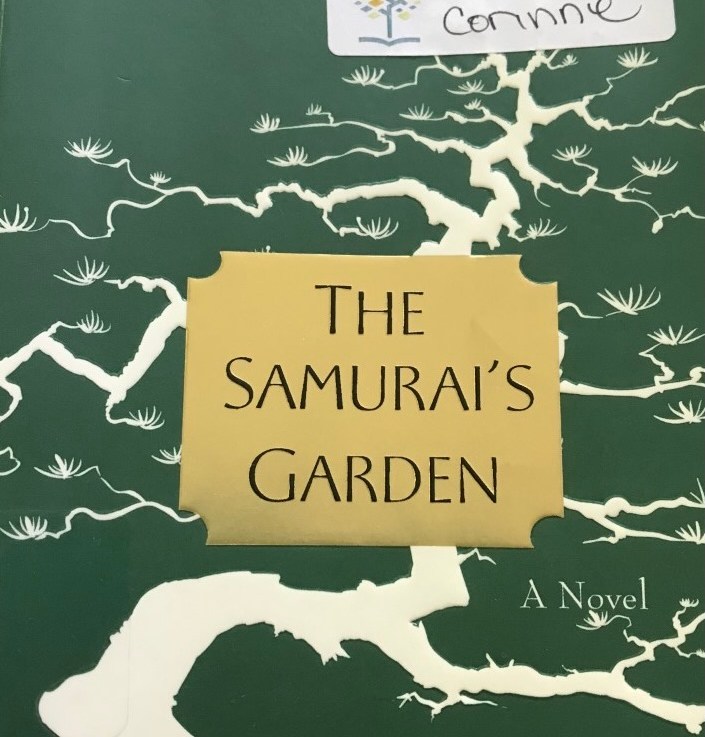
Gail Tsukiyama’s — The samurai’s garden *****
In early 1938 Stephan is ill and leaves Hong Kong for Tarumi where he stays in his parents’ seaside Japanese house to recuperate. At first, he feels isolated in the village and finds Matsu who tends to his needs, too reserved, but as his health improves so does his relationship with Matsu. While he swims in the sea or paints, Stephan-san grows concerned as Japan invades China and its armies rampage south. But he forgets these worries when Matsu introduces him to his friend, Sachi who lives in Yamaguchi, a mountainside village for lepers. As the year draws to a close, is it safe for Chinese to remain in Japan? Will he be able to part from the close relationships he’s formed with Matsu and Sachi?
Laila Lalami’s — The moor’s account *****
In the 1500s in Morocco, Mustafa ibn Muhammad is a kind older brother to his twin brothers and a successful merchant. But when he loses his position due to difficult times, he is forced to sell himself into slavery so that his mother and brothers will not starve. After several years he becomes part of an expedition to New Spain (today’s Southern U.S.A.) led by de Narvaez who plans to capture the land for the Spanish crown and become as famous as Cortes. But once they land in New Florida starvation and disease force the contingent to steal and plunder whatever they can from Indian tribes. Within a year only four have survived: Mustafa (who was reassigned a new name — Estebanico), his master, Dorantes, Cabeza de Vaco and Castillo. Will they ever be able to return to their native countries or will they too, die from disease or at the hands of Indians? This is a fascinating account seen through the eyes of Mustafa/Estebanico a desperate survivor who only hopes for his freedom from bondage.
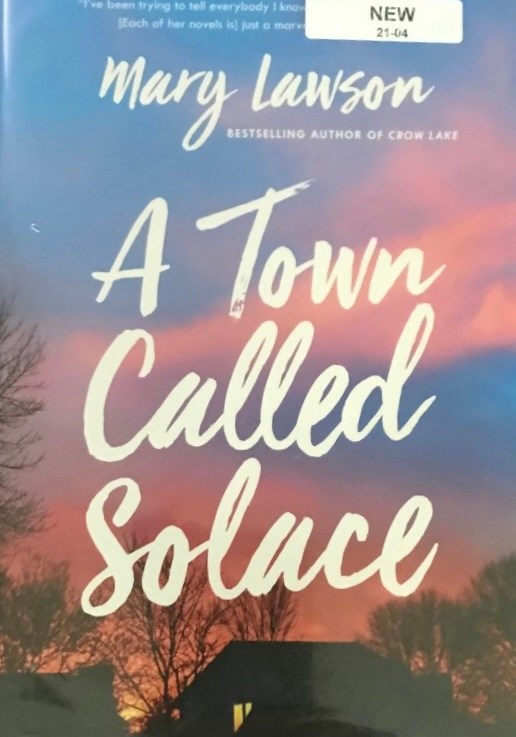
Mary Lawson’s — A town called Solace *****
Aging Mrs. Orchard has gone into hospital and Clara, her neighbour’s daughter is feeding her capricious cat. At the same time, Clara’s teenage sister, Rose has an argument with her mother and leaves. The small community of Solace in Northern Ontario search the woods, but there is no sign of Rose. Clara stands by the window awaiting her sister’s return when she spies a stranger entering Mrs. Orchard’s house. Who is this man? Why are her parents lying to her? And why hasn’t Mrs. Orchard returned?
This novel is off to a slow start in the first two short chapters, but the small town setting, the characters and Lawson’s wonderful story telling had me engrossed by the third chapter.

You must be logged in to post a comment.