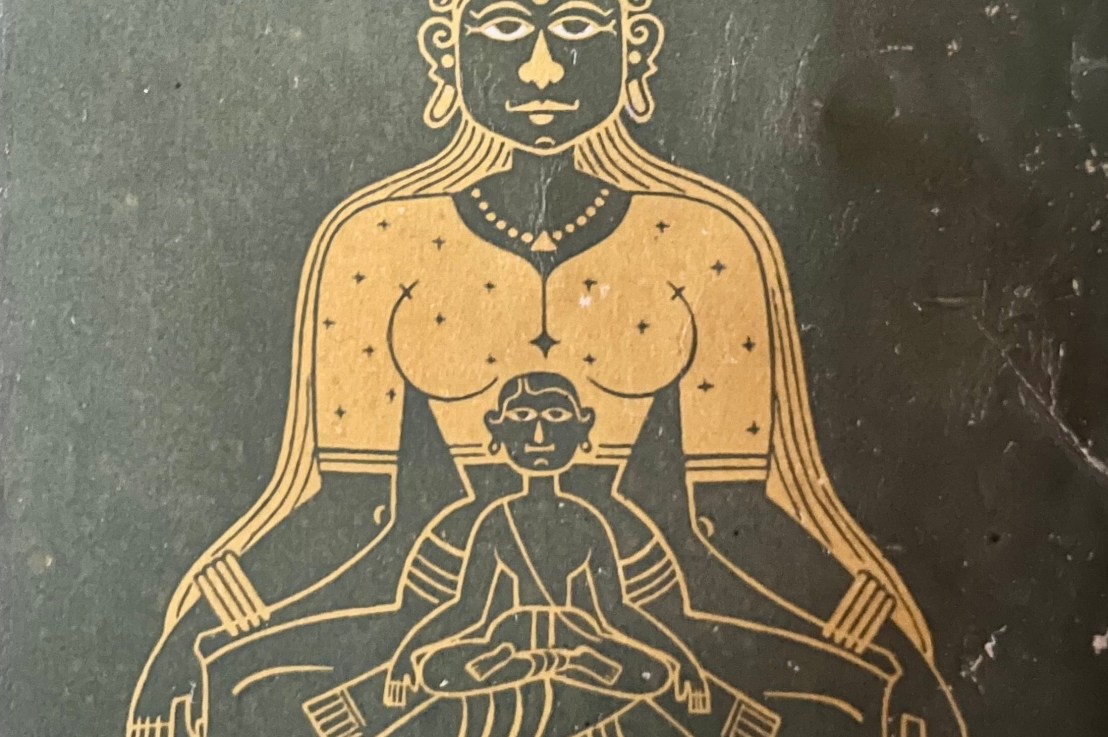
This is a book that’s been with me for decades that I recently reread. It contains photographs of yoga positions with well explained instructions. What makes each pose even better, are the details about which parts of the body each pose benefits.
This non-fiction book briefly examines the North’s attitude over the last 500 years. During colonialism the North claimed the rest of the world was empty and theirs to plunder. That nature was a non-entity from which to gain profit.
The focus however, is on the present under globalization and “free” trade agreements and how the North has patented plants and animals from the South in its quest for profit. What has been the impact on societies and the planet will astound any reader of this important book.
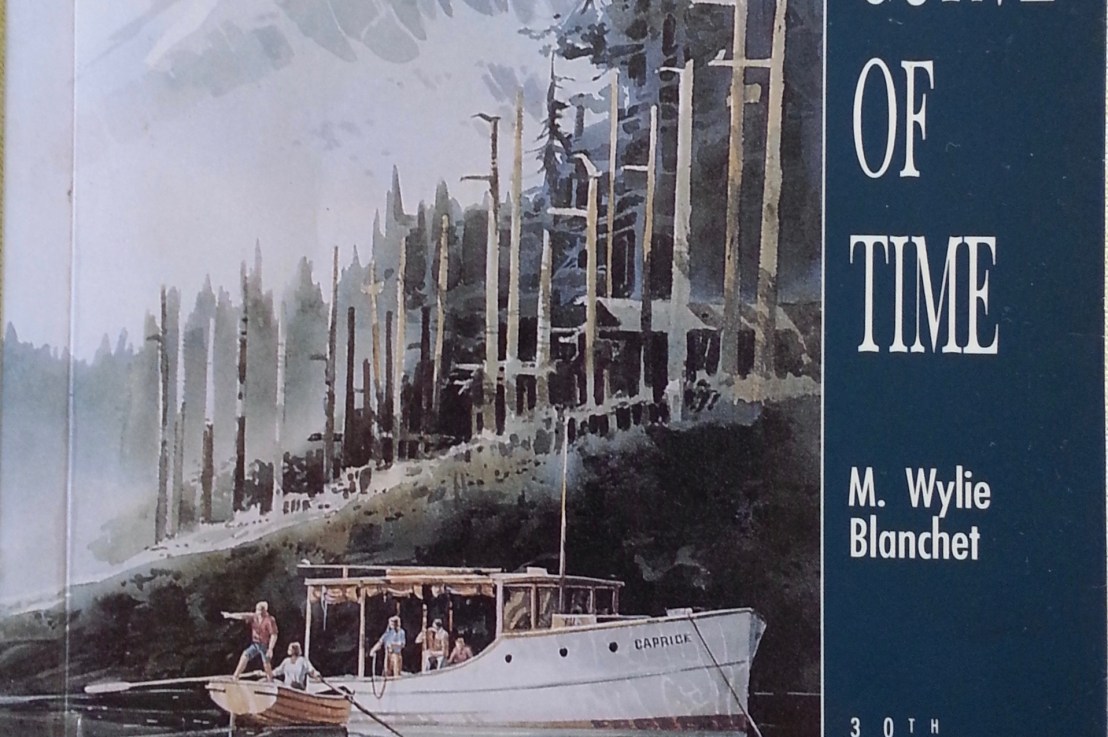
After being widowed in 1927, Blanchet took off with her children as skipper in her seven metre boat every summer to tour deserted inlets and abandoned First Nation villages. She cruised single handedly from her home on Vancouver Island along the Strait of Georgia between the Gulf Islands braving storms and engine breakdowns.
This is a wonderful memoir—a Canadian classic—that made me feel as if I was on an extended holiday to these beautiful and unique isolated locations.
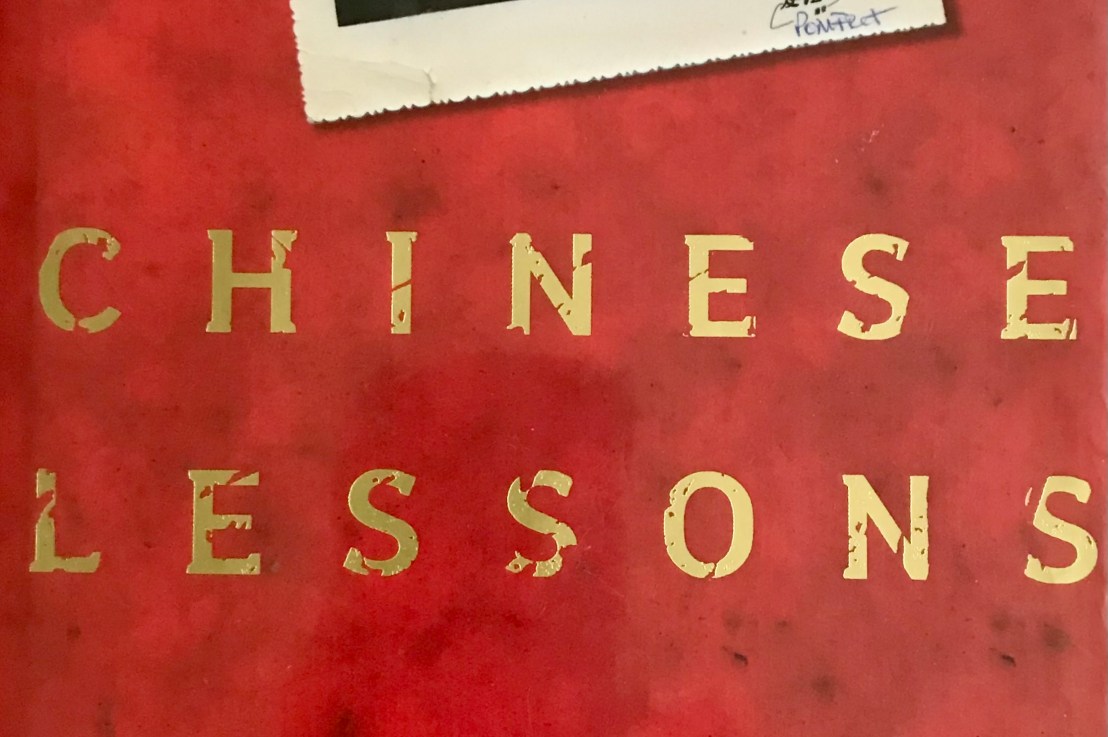
After Mao’s brutal reign, Pomfret arrives in China at the beginning of the 1980s to attend Nanjing University when China first began opening to the west. In cramped living quarters with other students from different parts of China, the author gains detailed access to the lives of his classmates and how they and their families endured the cultural revolution. Pomfret graduates and his only wish is to return. As a reporter he arrives back in China, but when he reports on the Tiananmen Square massacre, he is expelled from the country. All the while, he keeps in contact with his university classmates and follows the direction of their lives that reveals the economic changes happening in a system still corrupt, censored, and controlled by the Party that silences anyone who opposes it.

 Read and Write
You must be logged in to post a comment.